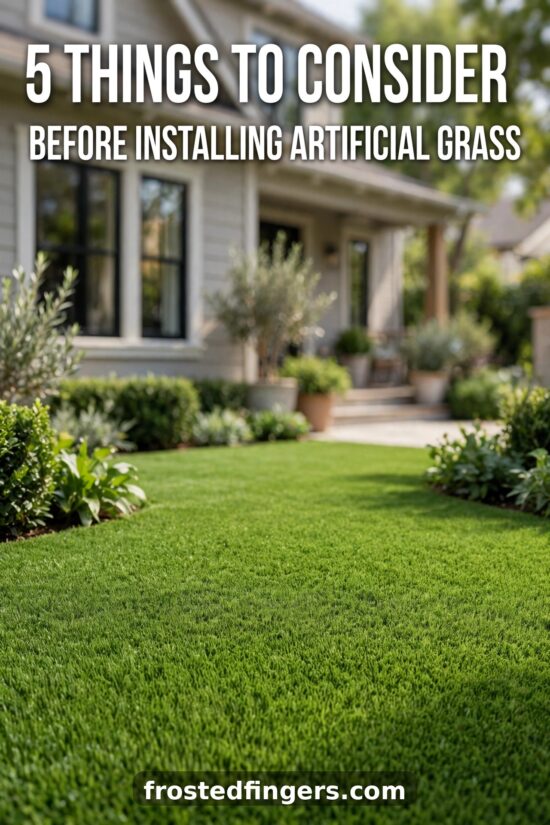
A green yard can make a home feel more welcoming, but keeping natural grass looking good takes time. Mowing, watering, fertilizing, dealing with muddy spots, and repairing worn areas can become a regular part of home maintenance. For homeowners in Fairfield, the changing seasons can add another layer of work.
Artificial grass offers another option. It can provide a green, usable surface without regular mowing or watering, but that does not mean it is right for every yard. The best results come from thinking about how the space will be used, what problems the current lawn has, and what kind of surface will work over the long term.
Before replacing natural grass, consider these five factors.
1. Think About How You Use the Yard
The first question is simple: what do you actually want to do with the space? A front lawn may mainly need to look neat and attractive. A backyard might need to handle children playing, pets running around, outdoor summer gatherings, or regular foot traffic. A small side yard may have a completely different purpose.
This matters because artificial turf is available for different uses. Some products are designed for general landscaping, while others are made for dogs, playgrounds, sports, or golf. Choosing based on appearance alone can leave you with a surface that does not match how your family uses the yard.
Take some time to think about the activities that happen there now and what you may want to do with the space in the future.
2. Consider Your Yard’s Drainage
Water is another important factor when it comes to Fairfield homes. A lawn that stays wet after rain can become muddy, develop bare patches, and be difficult to use.
Artificial grass can help create a firmer surface, but the turf itself is only part of the drainage system. The ground underneath needs to be prepared correctly so water can move away from the surface. The Fairfield installation process from ForeverLawn CTNY includes removing existing grass and organic material and installing a compacted rock base designed to support drainage and stability.
This is worth considering before installation because poor preparation can lead to standing water or other problems later. A yard may look simple on the surface, but what happens underneath it has a major effect on how well the finished space performs.
3. Pay Attention to the Quality of the Turf and Installation
Not all artificial grass products are made the same way. Differences in the backing, blade construction, drainage, and base can affect how the finished lawn looks and performs.
Installation is just as important. The ground needs to be prepared properly, the turf needs to be fitted around existing features, and seams and edges need to be secured correctly.
Choosing artificial grass in Fairfield can involve more than selecting a color or blade style. The local installation process considers factors such as traffic, shade, drainage, and areas that may experience more wear. ForeverLawn also uses different turf systems for different applications, which reinforces the need to match the product to the space. A good installation should account for the whole yard, not simply place turf over whatever is already there.
4. Think About the Long-Term Value
Artificial grass is a long-term change to your yard, so it is worth thinking beyond how it will look on installation day. Consider how much time you currently spend mowing and watering. Think about areas where natural grass repeatedly struggles. If you have pets or children, consider how much use the surface will receive. You should also look at how the yard may change as your family and needs change.
Quality also matters here. ForeverLawn states that its installations have a minimum two-year installation warranty, while some of its products carry longer guarantees depending on the system. The goal is not simply to find artificial grass that looks good today. It is to choose a system and installation that make sense for the way you expect to use the yard for years to come.
5. Look at the Maintenance You Actually Want
One reason homeowners consider artificial grass is to reduce the work involved in lawn care. According to the EPA, outdoor water use accounts for about 30% of household water use in the United States on average, with much of that going toward landscape irrigation.
Artificial grass can reduce some of that routine work. There is no mowing, regular watering, or fertilizer application for the turf itself. However, it should not be viewed as completely maintenance-free.
Leaves and other debris still need to be removed, and the surface may need occasional brushing or rinsing. Pet areas can require additional cleaning. ForeverLawn’s general maintenance guidance recommends regular removal of dirt and debris, grooming when needed, and occasional rinsing.
Making the Right Choice for Your Yard
Artificial grass can make sense for homeowners who want a cleaner, lower-maintenance outdoor surface, especially where natural grass has become difficult to manage. But it should be treated as a landscaping decision, not a quick replacement for a struggling lawn.
Think about how the space is used, how water moves through it, how much maintenance you want, and what the installation requires. Once those questions are answered, it becomes much easier to decide whether artificial grass is a good fit for your home.


Leave a Reply